
 EN
EN ES
ES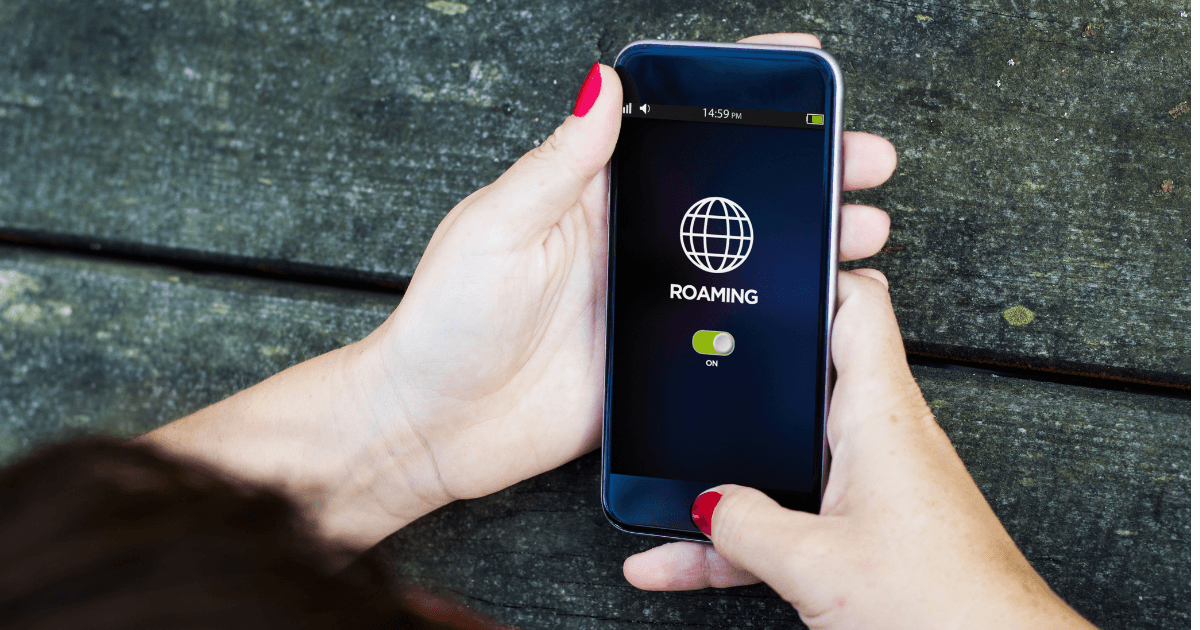
Traveling abroad is exciting, but staying connected while traveling is just as important. Whether you need maps to navigate, messaging apps to communicate, or internet access to work, mobile connectivity has become essential for modern travelers. This is where international roaming comes in. It allows your mobile phone to keep working outside your home country by connecting to foreign mobile networks.
Many travelers wonder what international roaming is, how it works, and why it can sometimes result in expensive bills. Understanding roaming, data usage, and available alternatives can help you stay connected without overpaying during your international travels.
What is international roaming?
International roaming is a service that allows your mobile phone to connect to a foreign network when you travel outside your home country. Instead of losing signal when crossing borders, your mobile operator connects through agreements with telecommunications providers in other countries so that your phone continues to function normally.
The meaning of international roaming is simple: your mobile phone uses a local network in the country you are visiting, while your original operator manages the connection and billing.
This means you can continue making calls, sending texts, and using mobile internet without changing your SIM card. For many travelers, this is the easiest way to stay connected abroad.
The biggest advantage of international roaming is convenience. You keep your usual number, and your phone typically connects automatically when you arrive in another country. You can also read a detailed Roamless eSIM review to understand how pay-per-use travel data works and whether it suits your needs.
How international roaming works
Many users want to know how international roaming works. The process is quite simple. When you arrive in another country and turn on your phone, the device starts searching for available networks. Your home mobile carrier already has roaming agreements with telecom operators in different countries. Based on these agreements, your phone connects to one of those partner networks.
Once connected, your device can use local towers to provide:
- Voice calls
- SMS messages
- Internet access
The foreign carrier records your usage and shares that information with your home carrier. Your regular provider then charges you according to your roaming plan or usage rates.
That is how international roaming keeps your phone connected even when you are far from home. If you are looking for a more flexible alternative, an unlimited global eSIM allows you to enjoy continuous connectivity across multiple destinations without relying on traditional roaming.
Why international roaming can be expensive
One of the most common concerns for travelers is cost. Roaming is often expensive because several telecommunications companies are involved in providing the service.
Your home carrier must pay the foreign carrier for every call, message, or megabyte of data you use outside your country. These costs are then passed on to you on your bill.
That's why international roaming charges can quickly escalate if you're not careful. The biggest expense usually comes from mobile data usage. Activities like watching videos, using maps, making video calls, or browsing social media can consume a lot of data in a short amount of time.
Even automatic background app updates can increase costs without you noticing. That's why it's important to understand your data usage before activating international roaming.
International Mobile Data Roaming Explained
One of the most commonly used roaming services is internet access, also known as international data roaming. This feature allows your phone to access the internet through a foreign network.
Thanks to this, you can browse websites, use map applications, check emails, and stay active on messaging platforms.
The problem is that data consumption varies depending on the activity. Basic browsing or messaging uses less data, while streaming, video calls, and hotspot use consume much more.
That's why many travelers receive large bills after international trips. If you use data-intensive apps, relying solely on international roaming may not be the most economical option.
Common roaming charges for travelers
Roaming costs typically vary depending on your carrier, destination, and how you use your phone. Most bills include a combination of these charges:
- Outgoing call charges
- Charges for incoming calls
- SMS or text message rates
- SMS or text message rates
- Daily rates for roaming packages
Some providers offer pay-as-you-go billing, while others have daily or weekly plans. Pay-as-you-go plans are usually much more expensive.
Understanding these charges helps travelers better control their spending.
Benefits of international roaming
Despite its cost, international roaming remains popular for its convenience. For short trips or urgent situations, it offers immediate access to communication without requiring any additional setup.
Its main benefits include:
- Instant connectivity upon landing
- You don't need to remove your SIM card.
- You can continue using your usual number.
- Quick and easy setup
For business travelers or people who take short trips, these advantages make roaming a practical solution.
How to avoid roaming charges when traveling
Learning how to reduce roaming costs can help you avoid unexpected bills. Here are some simple ways to save:
- Turn off roaming when you don't need it
- Turn off roaming when you don't need it
- Download offline maps before you travel
- Turn off background app updates
- It limits video streaming and hotspot usage.
Planning ahead can significantly reduce costs, especially if you're traveling for several days or weeks.
Explore why the Digital nomads prefer eSIMs and learn how it offers seamless internet access without the hassle of using physical SIM cards.
eSIM vs international roaming
Many modern travelers compare an eSIM with roaming before traveling. International roaming is convenient because it requires almost no setup. Your phone connects automatically, and you continue using your regular number.
However, mobile roaming abroad can become expensive, especially for those who use a lot of data.
Travel eSIMs offer an alternative. Instead of relying on traditional roaming, you can purchase a data plan for your destination and activate it digitally on your phone. This typically offers more affordable and flexible data options.
For short trips, roaming may be sufficient. For long trips, digital nomads, or frequent travelers, an eSIM usually offers better value and lower costs.
Is international roaming right for you?
Understanding what international roaming is also helps you decide if it's really the best option for your trip. Roaming is often ideal for:
- Short business trips
- Emergency travel
- Users who need an immediate connection
- People with low data consumption
If you're going to be traveling for several weeks or you rely heavily on mobile internet, alternatives like an eSIM or a local SIM can offer better value for money.
The key is to understand your expected consumption before choosing the best connectivity solution.
Conclusion
Now that you know what international roaming is, it's easier to understand why it remains one of the simplest ways to stay connected while traveling abroad. This service allows your phone to continue working when connecting to foreign mobile networks through agreements between operators.
Its biggest advantage is convenience: you can use your usual number and connect almost immediately upon arrival in another country.
However, roaming can be expensive, especially if you frequently use mobile data. Understanding what international roaming is, how it works, what costs you can expect, and what alternatives exist will help you make better decisions. Whether you choose roaming, a local SIM, or an eSIM, planning ahead will allow you to stay connected without overspending.
Frequently Asked Questions
What is international roaming?
International roaming is a service that allows your mobile phone to connect to foreign mobile networks when you travel outside your country.
How does international roaming work?
Your home carrier has agreements with international carriers so your phone can use their networks abroad for calls, texts, and mobile data.
Why is international roaming expensive?
It's expensive because your operator has to pay foreign providers for the services you use during your trip, and those costs are reflected in your bill.
Can I use mobile data while roaming?
Yes, you can use mobile internet with roaming, but data usage can be expensive depending on your plan and destination.
How can I reduce roaming costs?
You can use Wi-Fi, limit background data usage, turn off roaming when you don't need it, or consider a travel eSIM.
Is an eSIM better than international roaming?
For many travelers, yes. eSIMs often offer cheaper and more flexible data plans compared to traditional roaming.