
 EN
EN ES
ES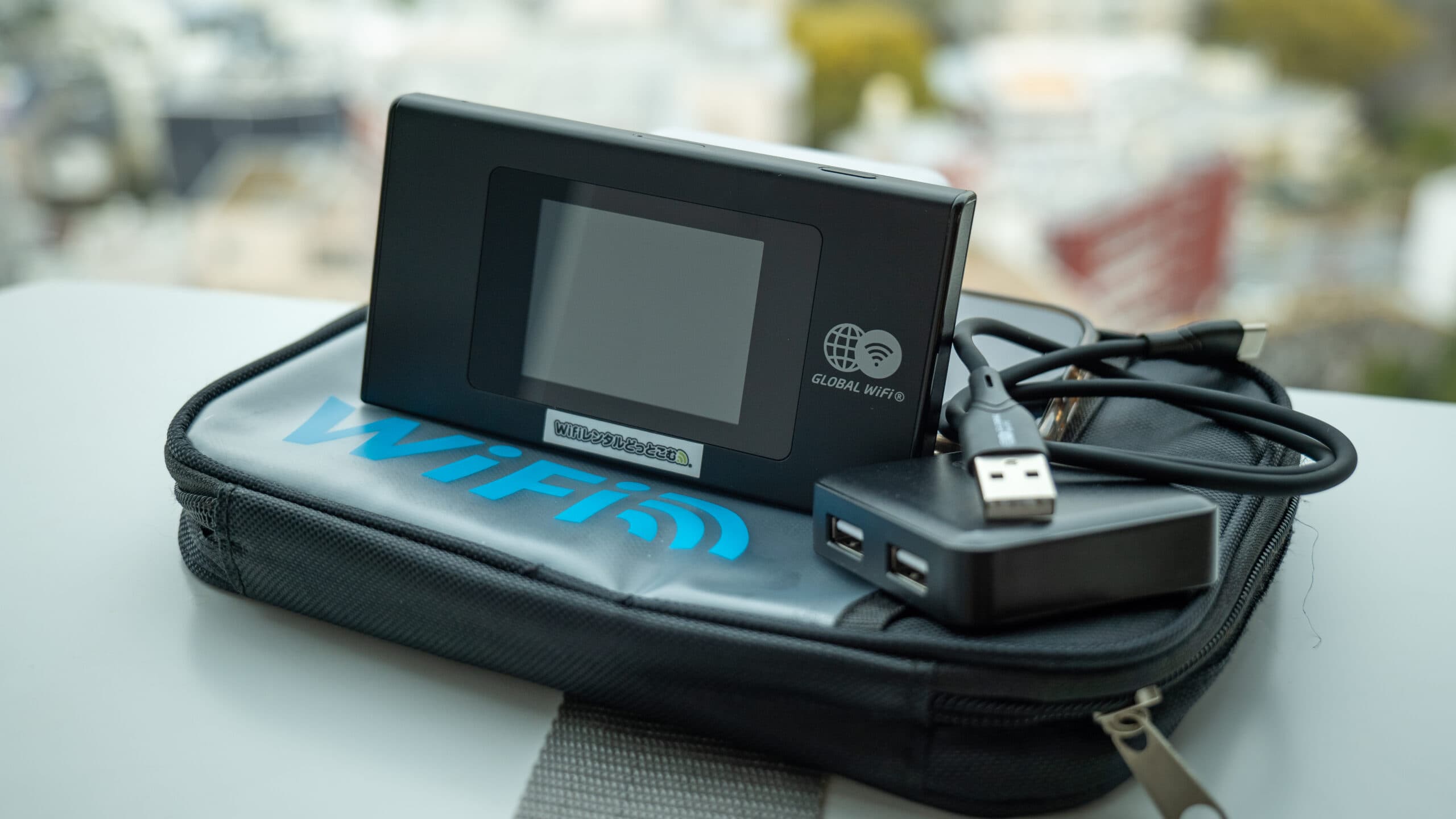
Staying connected while traveling is more important than ever. Whether you need internet for maps, work, booking transportation, or communicating with family, a reliable connection can make your trip much more comfortable. Today, travelers have several options for accessing the internet abroad, such as local SIM cards, eSIMs, roaming, and pocket Wi-Fi devices.
Among these options, pocket Wi-Fi has become a popular solution for those who need a stable connection on multiple devices simultaneously. However, many travelers still wonder what pocket Wi-Fi is and whether it's truly the best option for their needs. Understanding how it works, its benefits, and its limitations can help you choose the right connectivity solution for your next trip.
What is pocket Wi-Fi?
Pocket Wi-Fi is a small, portable device that provides wireless internet access by connecting to mobile networks. You can think of it as a mini router that fits in your pocket.
Instead of using your phone's mobile data directly, the device connects to a cellular network and creates a personal Wi-Fi network around you. You can then connect multiple devices, such as smartphones, tablets, and laptops.
Understanding what pocket Wi-Fi is is especially useful for travelers who need internet access on multiple devices simultaneously. Most of these devices are compact, lightweight, and easy to carry while traveling.
You can also consult a guide on the Advantages of eSIM vs pocket Wi-Fi in Japan to compare both options and choose the best connectivity solution for your trip.
How pocket Wi-Fi works
Many travelers wonder how pocket Wi-Fi works. The process is simple. A pocket Wi-Fi device includes a SIM or eSIM that connects to a mobile carrier's network. Once connected, it converts that mobile data into a Wi-Fi signal that nearby devices can use.
This is how the process works:
- The device connects to a local mobile network
- Receive mobile data via SIM or eSIM
- Create a private Wi-Fi network
- Your devices connect as if it were a normal Wi-Fi network
This means you can stay connected without relying on public Wi-Fi networks or expensive roaming plans. The biggest advantage of pocket Wi-Fi is that multiple devices can share a single internet connection.
Why travelers use pocket Wi-Fi
For international travelers, convenience and connectivity are paramount. This is where pocket Wi-Fi for travel can be a useful option.
Instead of buying separate data plans for each device, a single pocket Wi-Fi can provide internet to multiple users at the same time.
This makes it ideal for:
- Families traveling together
- Business travelers
- Digital nomads
- Group trips
If several people need internet access at the same time, pocket Wi-Fi can be a practical solution.
It also reduces reliance on public Wi-Fi networks, which are often slow or insecure. You can explore a Pocket Wi-Fi guide in the United States to understand prices, coverage, and whether it's the right option to stay connected in that country.
Benefits of pocket Wi-Fi
There are several reasons why travelers choose pocket Wi-Fi. Its main benefits include:
- Connect multiple devices at the same time
- More secure than public Wi-Fi
- Reliable internet for work and travel
- Good option for families and groups
- It does not require changing the phone settings
A portable Wi-Fi hotspot for travelers can be especially useful if you're carrying multiple devices, such as a phone, laptop, and tablet. Instead of managing separate connections, everything works through a single device.
This makes pocket Wi-Fi attractive to those who prioritize convenience while traveling.
If you're comparing providers, check this out. Airalo Alternative to compare plans, prices and coverage before choosing your travel eSIM.
Pocket Wi-Fi limitations
Despite its benefits, pocket Wi-Fi also has some limitations.
First, it's another device you have to carry and charge. If the battery runs out, you lose internet access.
Second, rental or purchase costs can be high compared to alternatives such as eSIMs.
Other disadvantages include:
- Limited battery life
- Additional carrying device
- Risk of loss or damage
- Return requirements if rented
- Speeds that depend on the quality of the local network
These factors are important when deciding if pocket Wi-Fi is the right option for your trip.
Best pocket Wi-Fi for international travel
Choosing the best pocket Wi-Fi for international travel depends on your travel style and internet needs.
Before selecting a device, consider:
- Battery life
- Coverage area
- Number of compatible devices
- Speed & Performance
- Cost of the data plan
Some devices only work in specific countries, while others offer global coverage. Frequent travelers should look for devices with broad international support and flexible data plans.
The right device will depend on how often you travel and how much data you use.
Pocket Wi-Fi vs eSIM
One of the most common comparisons among travelers is pocket Wi-Fi vs. eSIM. Pocket Wi-Fi uses a separate device to share internet between multiple devices, while an eSIM allows your phone to connect directly to mobile networks without using a physical SIM card.
Pocket Wi-Fi works well for groups or travelers with multiple devices. An eSIM or an international SIMis usually a better option for solo travelers seeking convenience, a reliable connection, and minimal setup during their trips.
Advantages of pocket Wi-Fi:
- Connection for multiple devices
- Shared Internet
- Good option for groups
Advantages of eSIM:
- No additional device is required.
- Instant activation
- More practical for solo travelers
For many travelers, the eSIM is becoming a more flexible and economical solution than pocket Wi-Fi.
Is Pocket Wi-Fi right for you?
If you understand what pocket Wi-Fi is, it will be easier to decide if it suits your travel needs.
A travel Wi-Fi device makes sense if:
- You travel in a group
- You need internet on multiple devices
- You work remotely during the trip
- You want a more secure connection
However, if you're traveling alone or prefer a simpler option, alternatives like eSIM might be more convenient.
The best option will depend on your budget, the length of your trip, and your internet usage habits.
Conclusion
Now that you know what pocket Wi-Fi is, you can understand why it remains a popular connectivity solution for travelers. It works by connecting to mobile networks and converting that data connection into a private Wi-Fi signal.
For families, business travelers, and group trips, it can be a practical option. However, carrying an additional device, monitoring the battery, and paying rental fees can be inconvenient for some users.
As connectivity options evolve, travelers have more choices than ever before, including roaming, local SIMs, eSIMs, and pocket Wi-Fi. Choosing the right option depends entirely on your travel style and the type of internet access you need.
Frequently Asked Questions
What does pocket Wi-Fi mean?
Pocket Wi-Fi is a portable device that connects to mobile networks and creates a personal Wi-Fi network to access the internet.
How does a pocket Wi-Fi work?
It connects to a mobile network via a SIM or eSIM and converts that connection into a Wi-Fi signal for nearby devices.
Is Pocket Wi-Fi good for traveling?
Yes, it's a good option for travelers who need internet on multiple devices or are traveling in a group.
Is Pocket Wi-Fi better than eSIM?
It depends on your needs. Pocket Wi-Fi is usually better for groups, while eSIM can be more practical for solo travelers.
How many devices can connect to Pocket Wi-Fi?
Most pocket Wi-Fi devices allow you to connect between 5 and 15 devices, depending on the model and the provider.